

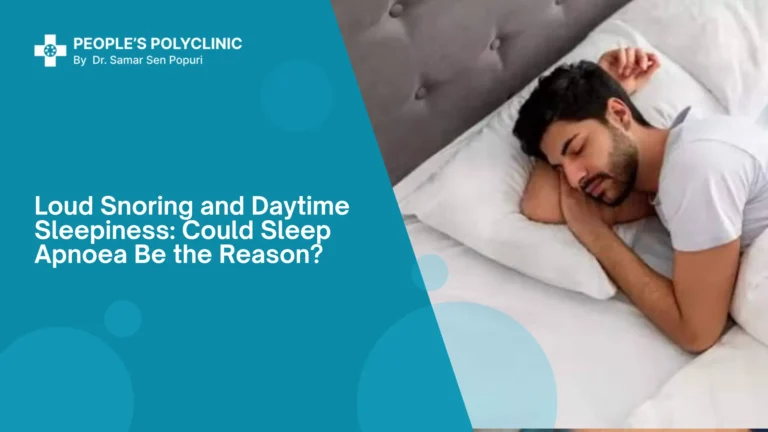
You went to bed on time.
You slept for seven or eight hours.
The alarm rings.
But instead of feeling refreshed, you wake up with a dry mouth, a heavy head and the feeling that you could sleep for another three hours.
By afternoon, you are struggling to focus.
During meetings, your attention drifts.
On weekends, you sleep longer—but still do not feel properly rested.
Your family may also complain:
“You snore so loudly.”
Most people laugh it off.
Snoring is treated like a harmless habit or a family joke.
Sometimes it is.
But frequent loud snoring—especially when accompanied by pauses in breathing, gasping or severe daytime sleepiness—may indicate a condition called sleep apnoea.
The important question is not only:
“How many hours did I sleep?”
It is:
“Was I breathing and sleeping properly during those hours?”
What Is Sleep Apnoea?
Sleep apnoea is a condition in which breathing repeatedly stops or becomes significantly reduced during sleep.
The most common form is obstructive sleep apnoea.
It occurs when the upper airway becomes temporarily narrowed or blocked while you are asleep. This can interrupt breathing and lower the amount of oxygen reaching the body.
The brain notices the problem and briefly wakes you enough to restart breathing.
You may not remember waking up.
But this pattern can happen repeatedly during the night, preventing you from reaching or maintaining restorative sleep.
You may spend eight hours in bed and still wake up feeling as though you barely slept.
Is All Snoring Sleep Apnoea?
No.
People can snore without having sleep apnoea.
Snoring occurs when air moves through relaxed tissues in the throat and causes them to vibrate. It can become more noticeable during a cold, after alcohol consumption or when sleeping on your back.
Sleep apnoea becomes a concern when snoring is associated with breathing interruptions or symptoms suggesting poor-quality sleep.
Watch for patterns such as:
- Loud, frequent snoring
- Pauses in breathing noticed by another person
- Choking, snorting or gasping during sleep
- Repeated awakenings
- Morning headaches
- Dry mouth after waking
- Excessive sleepiness during the day
- Difficulty concentrating
- Irritability or mood changes
- Feeling unrefreshed despite adequate time in bed
Someone who sleeps alone may not know that their breathing stops during the night. Daytime symptoms may be the first clue.
“I Slept for Eight Hours. Why Am I Still Tired?”
Sleep duration and sleep quality are not the same thing.
Imagine charging your phone with a cable that repeatedly disconnects.
It may remain plugged in throughout the night.
But in the morning, the battery is still low.
Repeated breathing interruptions can have a similar effect on sleep. Each interruption may move the body away from deeper, restorative stages of sleep.
The result can be:
- Poor concentration
- Slower thinking
- Reduced productivity
- Mood changes
- Morning tiredness
- Sleepiness while reading, watching television or travelling
The person may assume the problem is stress, ageing or a demanding job.
Those factors can certainly affect energy. However, persistent unrefreshing sleep deserves a closer look.
Who May Be at Higher Risk?
Sleep apnoea can affect different types of people, including those who do not fit the common stereotype.
Risk may be higher in people who:
- Have overweight or obesity
- Have a larger neck circumference
- Are middle-aged or older
- Have a family history of sleep apnoea
- Smoke
- Consume alcohol, especially close to bedtime
- Have nasal obstruction
- Have enlarged tonsils or certain airway features
- Have high blood pressure
- Have type 2 diabetes
- Have certain hormonal or cardiovascular conditions
Men are diagnosed more frequently, but women can also develop sleep apnoea.
In women, symptoms may sometimes be less obvious. Instead of reporting loud snoring, they may experience insomnia, morning headaches, fatigue or mood-related symptoms.
Risk can also change during pregnancy and after menopause.
Why Sleep Apnoea Matters Beyond Tiredness
The problem is not limited to feeling sleepy the next morning.
During repeated breathing interruptions, oxygen levels may fall and the body repeatedly activates its stress response. Over time, untreated sleep apnoea may be associated with several health concerns.
These can include:
- Difficult-to-control high blood pressure
- Heart and blood-vessel problems
- Abnormal heart rhythms
- Type 2 diabetes
- Reduced concentration
- Mood disturbances
- Increased accident risk due to sleepiness
This does not mean everyone who snores will develop these problems.
It means persistent symptoms should not automatically be dismissed.
Good sleep supports much more than energy. It plays a role in blood-pressure regulation, metabolism, memory, emotional health and overall physical recovery.
The Driving Risk People Often Overlook
Excessive daytime sleepiness can become dangerous when you are driving or operating machinery.
People sometimes underestimate how sleepy they are.
You may notice:
- Frequent yawning
- Heavy eyelids
- Difficulty remembering the last few kilometres
- Missing turns
- Drifting within the lane
- Briefly nodding off at traffic signals
Opening the window, playing loud music or drinking coffee does not reliably make drowsy driving safe.
If you feel unable to stay alert, avoid continuing to drive. Stop in a safe place and arrange appropriate help or rest.
Repeated sleepiness while driving should be discussed with a doctor.
How Is Sleep Apnoea Evaluated?
A medical evaluation generally begins with a detailed conversation.
Your doctor may ask about:
- Snoring
- Breathing pauses
- Gasping during sleep
- Morning headaches
- Daytime sleepiness
- Sleep duration
- Alcohol and smoking habits
- Current medications
- Blood pressure
- Weight changes
- Other medical conditions
If possible, information from the person who sleeps beside you can be useful because they may have noticed breathing interruptions that you do not remember.
Your doctor may examine your airway and assess factors that could increase your risk.
When sleep apnoea is suspected, a sleep study may be recommended. This test records information such as breathing, oxygen level, heart rate and sleep patterns.
The type of sleep test required depends on the individual situation.
A mobile application or smartwatch may notice possible sleep irregularities, but consumer devices cannot independently confirm or exclude sleep apnoea.
What Treatment May Involve
Treatment depends on the type and severity of sleep apnoea, its underlying causes and your overall health.
A doctor may recommend one or more of the following:
Healthy Weight Management
For people with overweight, gradual weight reduction may help improve symptoms by reducing pressure around the upper airway.
However, thin people can also have sleep apnoea. Weight loss should not be treated as the only possible solution.
Changing Sleep Position
For some individuals, breathing problems are worse when sleeping on the back. A doctor may recommend sleeping on the side when appropriate.
Limiting Alcohol
Alcohol can relax the muscles around the airway and may worsen snoring or breathing interruptions, particularly when consumed close to bedtime.
Smoking Cessation
Smoking may contribute to inflammation and irritation in the upper airway. Stopping smoking benefits sleep, heart health and respiratory health.
Positive Airway Pressure Therapy
Some patients may be prescribed a positive airway pressure device, commonly known as CPAP. It delivers air through a mask to help keep the airway open during sleep.
The correct device and settings should be selected with professional guidance.
Oral Devices or Specialist Treatment
Certain patients may benefit from a customised oral appliance or assessment by an appropriate specialist, depending on the cause of airway obstruction.
Treatment is individual. What works for one person may not be suitable for another.
What Not to Do
If you suspect sleep apnoea, avoid relying entirely on internet remedies.
Common mistakes include:
- Assuming snoring is always harmless
- Taking sleeping tablets without medical guidance
- Drinking alcohol to fall asleep
- Buying an unprescribed breathing device
- Using someone else’s CPAP machine or settings
- Ignoring sleepiness while driving
- Believing eight hours in bed guarantees good-quality sleep
Sleeping tablets and sedatives can affect breathing in some individuals. Do not begin or stop any prescribed medicine without discussing it with your doctor.
When Should You Consult a Doctor?
Consider medical evaluation if:
- Your snoring is loud and frequent
- Someone notices that your breathing stops during sleep
- You wake up choking or gasping
- You feel tired despite sleeping for enough hours
- You frequently wake with a headache or dry mouth
- Daytime sleepiness affects your work
- You struggle to remain awake while driving
- You have high blood pressure that is difficult to control
- You experience persistent poor concentration or mood changes
Urgent medical care may be required for severe breathlessness, chest pain, fainting or other sudden concerning symptoms.
What to Record Before Your Consultation
For one or two weeks, make a simple note of:
- Usual bedtime
- Approximate time taken to fall asleep
- Number of awakenings
- Morning headaches
- Daytime naps
- Episodes of severe sleepiness
- Alcohol or caffeine consumption
- Feedback from your sleeping partner
- Current medicines
- Recent weight changes
This information can help your doctor understand the pattern more clearly.
Practical Takeaways
✔ Snoring does not always mean sleep apnoea, but loud snoring with breathing pauses deserves attention.
✔ Sleeping for enough hours does not guarantee good-quality sleep.
✔ Morning headaches, dry mouth and daytime sleepiness can be important clues.
✔ Sleep apnoea can affect blood pressure, metabolism, concentration and cardiovascular health.
✔ Consumer sleep trackers cannot replace a proper medical evaluation.
✔ Feeling sleepy while driving should never be ignored.
Conclusion
Snoring is easy to laugh about.
Poor sleep is easy to blame on work.
Daytime sleepiness is easy to treat with another cup of coffee.
But when these patterns continue, it is worth asking whether your breathing is being interrupted during sleep.
Recognising possible sleep apnoea does not mean assuming something serious is wrong. It means giving yourself the chance to understand why sleep is no longer leaving you refreshed.
If you regularly snore, wake up tired or struggle with daytime sleepiness, a qualified physician can assess your symptoms and determine whether further sleep evaluation is appropriate.
People living in Manikonda, Gachibowli and nearby areas can consult Dr. Samar Sen Popuri at People’s Poly Clinic for an initial medical assessment and appropriate guidance.
Frequently Asked Questions
Does everyone who snores have sleep apnoea?
No. Snoring can occur without sleep apnoea. Breathing pauses, gasping and excessive daytime sleepiness make further evaluation more important.
Can thin people develop sleep apnoea?
Yes. Weight is only one risk factor. Airway structure, age, family history and certain medical conditions may also contribute.
Can sleep apnoea cause morning headaches?
It may contribute to morning headaches in some people, but headaches can have many other causes. Proper evaluation is necessary.
Can a smartwatch diagnose sleep apnoea?
No. A wearable device may identify possible irregularities, but a medical assessment and appropriate sleep testing are needed for diagnosis.
Is sleep apnoea treatable?
Yes. Treatment may include lifestyle changes, positive airway pressure therapy, oral appliances or other approaches, depending on the cause and severity.
Can sleeping on my side reduce snoring?
It may help some people whose symptoms worsen when sleeping on their back. It does not replace medical evaluation when sleep apnoea is suspected.
Should I use a CPAP machine without a sleep test?
No. The device, mask and pressure settings should be selected with professional guidance.
Which doctor should I consult for loud snoring and daytime sleepiness?
A general physician can perform an initial assessment and determine whether a sleep study or specialist referral is appropriate.