

Allergic reactions can come on suddenly. One may wake up one morning with itchy skin after having normal skin the previous day. Such a change can be unsettling as it comes as a surprise. Anyone is shocked when they experience sudden changes on their skin as they do not understand what is going on.
However, once we become familiar with why this happens, we can get a sense of being in control. Gaining knowledge about why the skin has this sort of allergic reaction can actually help eliminate fears and allow a rational action rather than a panicked one to occur. With knowledge about this subject, most of the allergic reactions can be controlled.
This is a guide by People’s Poly Clinic, the best health care clinic in Hyderabad, which has been developed in such a way that you can understand exactly what an allergic reaction on your skin means and more, in a peaceful and easy manner. All the concepts will be discussed in such a manner that you can understand them easily and can move forward towards a solution without any confusion or issue.
What are allergic reactions on the skin?
Our body responds since it feels that something bad has gotten into it. This reaction is part of the immunity in our body, which actually works to protect us. At times, the reaction might become more than required. In that case, we might be able to see some changes in the skin, such as it being reddened or swollen.
These may be due to food, dust, cosmetics, metals, medicines, or changes in weather, among other things. Most people may not be aware of these recurring exposures to those things. Due to the individuality in reactions to skin allergies, something that may react with one person may not have a similar effect on another person.
As the skin is the first line of defense, skin will usually manifest the initial warning signs. By being attentive to these signs, unpleasantness will not turn into a more serious issue later on. Taking note of them will ensure rapid healing and minimize complications from occurring.
Common signs you should not ignore
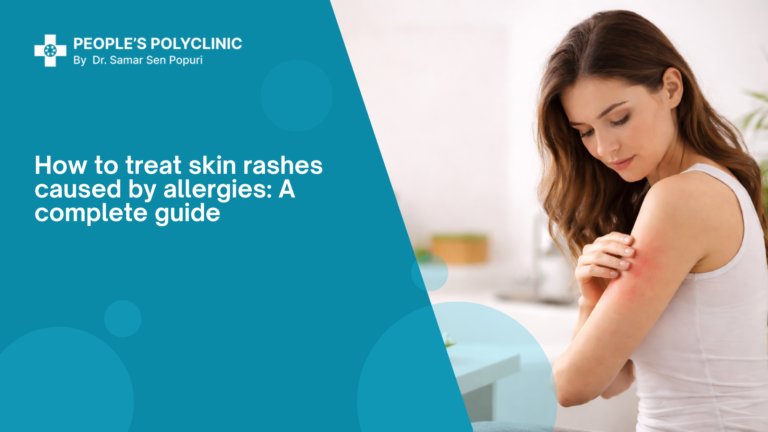
Allergic reactions on the outside of the body can manifest in various ways. Some may feel uncomfortable while others may see changes in appearance that can significantly affect their lives. However, some manifestations can be seen in most cases of allergic reactions.
These may include such manifestations as redness, itching, swelling, dryness, and/or bumps. In some instances, it can even manifest with a feeling of warmth, tightness, and/or sensitivity to the touch. These manifestations of differences in the appearance of the body can be collectively referred to as a rash.
As such, since these signs present themselves as manifestations of skin allergy symptoms, becoming aware of an allergic reaction early on enables you to take prompt action and prevent exposure to other factors which may exacerbate the situation if ignored.
Different skin rash types you may experience
Contact-based reactions
These come up after contacting specific substances such as soaps, jewelry, plants, and cleaning solutions. Normally, the area involved corresponds to the area of contact, which makes identification of the cause easier. This contact dermatitis may occur after hours or following repeated exposures of the skin.
Food-related reactions
Certain foods can cause visible changes within hours. These include reactions that may be accompanied by itching, redness, or mild swelling around certain areas. Sometimes it forms discomfort in digestion along with surface reactions.
Weather-triggered reactions
Excess heat, cold, or humidity disrupts the natural skin balance. This is usually manifested by dryness, redness, or sensitivity of the skin. The risk may be higher during seasonal changes.
Medication-related reactions
Some medications can trigger surface reactions as side effects. They can also vary, such as from minor redness to more apparent patterns of rash. However, they should always be reported to a doctor to avoid complications.
Recognizing different types of skin rash helps in deciding how to take care of a skin rash appropriately instead of guessing what kind of skin rash it is or putting off treatment.
Why does skin irritation happen more often than you think?
Daily habits play a far more important role than most people think. Prolonged exposure to pollutants, aggressive soaps, tight clothing, or continuous sweating can gradually compromise the body’s defense against allergens and other substances. The skin will react when its defense is compromised.
Since irritation due to skin develops slowly, it is often noticed when it becomes uncomfortable or visible. Too much exposure without proper care may lead to increased sensitivity with time. Care is necessary so that one does not enter a cycle of irritation.
Simple daily care that makes a big difference
Keep it clean but gentle
Always use mild cleansers that do not strip natural oils. Avoid strong fragrances or harsh chemicals, as they may worsen sensitivity.
Moisturize regularly
Hydration helps the skin heal faster and stay protected. A well-moisturized surface is less likely to crack or react.
Choose breathable clothing
Loose cotton fabrics reduce friction and sweating, which helps lower discomfort and irritation.
Avoid scratching
Scratching spreads inflammation and delays healing. It may also increase the risk of infection.
These small steps form the foundation of effective skin treatment at home and support natural healing.
Natural remedies that can offer relief
Though medical care is a must, there are some simple remedies that actually do help in this process of healing and feeling comfortable. They have to be done on a regular basis.
Aloe vera, for example, relieves such discomfort through cooling and itching effects, which reduce the occurrence of further redness. Cold compresses also help in reducing swelling, itching, as well as discomfort. Oatmeal baths, for example, have been in use for soothing, relaxing sensitive areas, as well as providing moisturizing purposes, while coconut oil is also utilized for hydrating purposes. When conditions worsen, advice should always be sought to avoid any further complications.
When does medical attention become important?
The discomfort may not always require more than home care. Any growing signs of redness, swelling, and pain mean a visit to a healthcare provider is necessary. Ignoring such a growing situation may result in infections and sensitivity.
A medical practitioner will accurately identify what causes the condition and recommend safe solutions for the condition that you are suffering from. By accurately identifying the condition, the right solution can be established in the process of treating your skin condition, thereby preventing flare-ups in the future.
Preventing future allergic reactions
Prevention is better than cure. Once a person identifies their triggers, it becomes easier to prevent them. Writing down a list of products, foods, and environments that make one react could help prevent such reactions.
Patch testing new products, prior to regular usage, also reduces risks. Regular check-ups result in early detection and better management of skin allergy issues, hence avoiding severe cases.
Emotional impact of skin conditions
Visible reactions affect confidence and comfort more when they appear in areas that are exposed to others. Many feel stressed, embarrassed, or anxious when symptoms pop up around others socially or in work environments.
Managing mental well-being is just as important as physical care. This helps to clear doubts and can reassure a person to remain confident in the management of the condition, keeping them positive and calm.
How professional care supports long-term relief?
A medical expert looks beyond surface signs and visible discomfort. They assess lifestyle, habits, medical history, and exposure patterns. This detailed approach ensures accurate diagnosis and lasting relief instead of temporary fixes.
Professional support also helps prevent repeated flare-ups and supports overall skin health over time.
Conclusion
At People’s Poly Clinic, we recognize the discomfort and stress that accompany an allergic reaction that occurs on your skin’s external layer, also known as an allergic skin reaction. We strive to help you get to the bottom of what is really going on and approach your care with a personal, respectful, and caring approach to every patient.
Under the guidance of Dr. Samaersen Popuri, the best general physicians in Hyderabad, People’s Poly Clinic is a reputable general healthcare clinic providing quality guidance in managing allergic reactions in an appropriate manner. We believe in good communication skills, gentle techniques of treatment, and long-term health instead of symptomatic cures.
Are you or a member of your family experiencing frequent allergic reactions? Well, our dedicated staff are here to ensure that you heal with utmost comfort and confidence. Yes, with the right attention, healing with healthy, comfortable, and looking-at-your-best skin is always possible.
FAQ’s
Can allergic reactions on the skin heal on their own?
Yes, mild reactions may settle with proper care and trigger avoidance. Repeated or severe cases should always be checked by a doctor.
How long does it take for visible reactions to fade?
Most mild cases improve within a few days with proper care. Persistent reactions may need medical evaluation.
Are home remedies enough for treatment?
They help in early stages and mild cases. Ongoing discomfort needs professional guidance.
Can stress make reactions worse?
Yes, stress can increase sensitivity and slow healing. Managing mental health supports faster recovery.
When should I visit a clinic?
If symptoms spread, worsen, or return often. Early consultation prevents complications.