
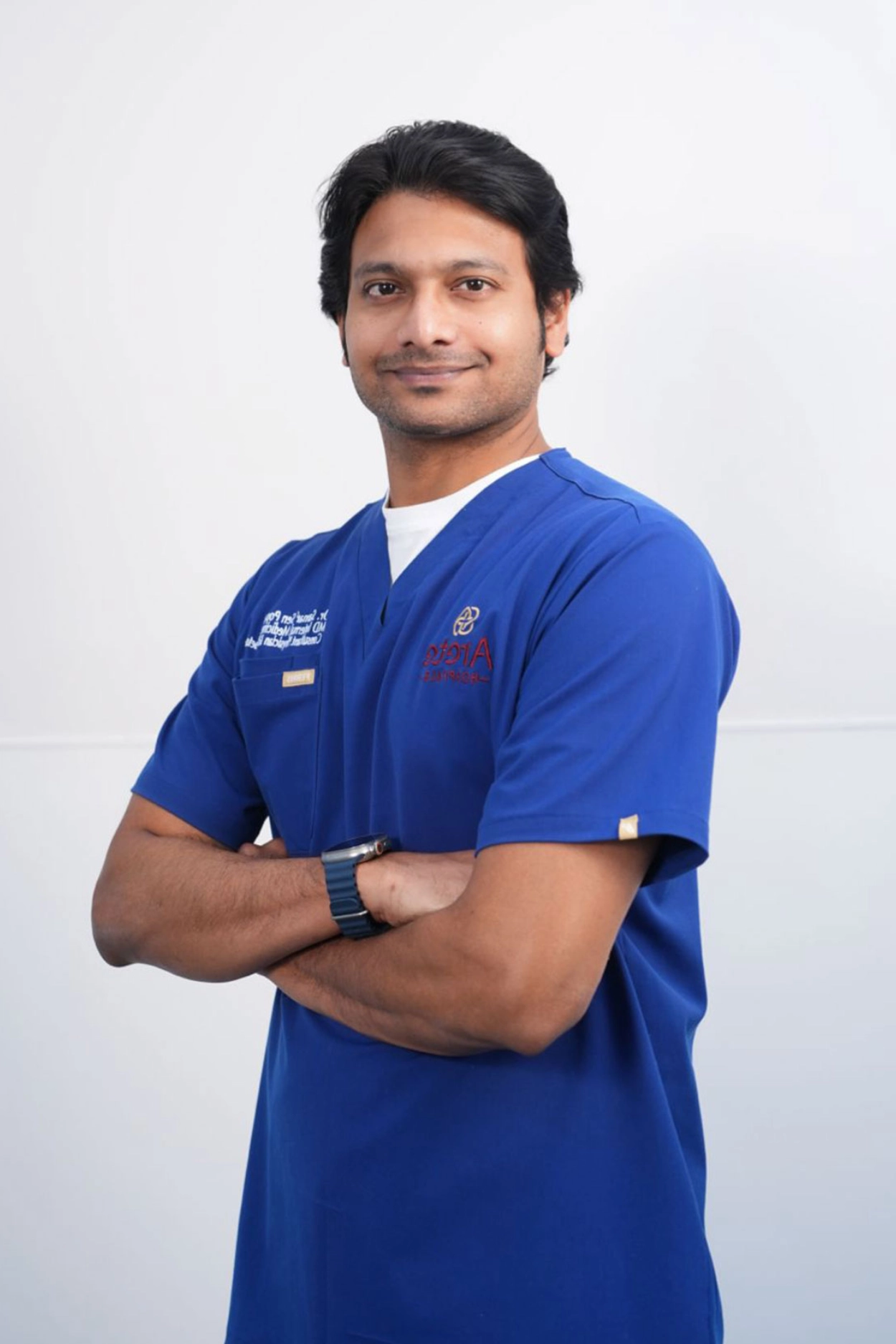
At People’s Poly Clinic, Dr. SamarSen Popuri delivers effective and timely malaria treatment that ensures early recovery from malaria infection, relief from malaria symptoms and complications, and prevention from malaria-related complications and future occurrences. Malaria is a dangerous infectious disease that requires timely and proper malaria treatment and diagnosis, as well as proper malaria medication and recovery.
Malaria is a disease caused by a parasite transmitted by a mosquito bite and may lead to a variety of symptoms such as fever, chills, and body aches. If not treated promptly, it may lead to a variety of health complications that affect various organs in a patient’s body.
Patients with malaria are provided with proper and timely treatment at People’s Poly Clinic in Manikonda, Hyderabad.
Malaria is a disease-causing infection that is spread by Plasmodium parasites, which are carried by mosquitoes. When these parasites enter a person’s body, they reproduce in the liver, eventually affecting red blood cells, thus causing recurring fever.
If not treated properly, malaria infection can result in serious health problems, such as anemia, organ damage, or severe infection. Proper malaria diagnosis and treatment can help a person recover fully from the infection. Thus, with appropriate medical care and awareness, malaria infection can be treated effectively.
The symptoms of malaria may differ depending on how severe the infection is, but it can occur a few days to weeks after being bitten by a mosquito.
The common symptoms of malaria include:
If the above-mentioned symptoms persist, it is important to seek immediate medical attention to obtain proper diagnosis and treatment for malaria.
Malaria is caused by an infection from a mosquito carrying parasites of the Plasmodium type. Other environmental and lifestyle-related factors may also pose a risk for infection.
Common acid reflux causes and risk factors for malaria infection include:
Proper diagnosis is critical to start appropriate medication and avoid any further complications. At People’s Poly Clinic, Dr. SamarSen Popuri takes a detailed assessment of the symptoms shown by the patient and their history.
The process of diagnosis includes:
Early diagnosis enables the doctor to determine the severity of the infection, thus providing appropriate malaria treatment drugs to ensure proper healing.
Prescription of malaria medicines and malaria treatment drugs that will effectively treat and prevent malaria from recurring.
Ensuring that a patient is well-hydrated and gets adequate rest to aid in the recovery process.
Carefully monitoring a patient’s symptoms and recovery to ensure that he or she fully recovers from malaria.
It is, therefore, essential to see a doctor if you have any of these symptoms, which could be a sign of malaria. This will help in early malaria diagnosis and malaria treatment.
When to see a doctor include when you have:
Early malaria treatment will help you avoid complications, thus helping you recover quickly with appropriate malaria medication.
In case of any symptoms of malaria or in need of any advice, consulting a doctor will help in identifying the condition and the most appropriate treatment plan for the patient. Patients in need of the most reliable treatment for malaria in Manikonda may avail the services at People’s Poly Clinic with Dr. SamarSen Popuri.