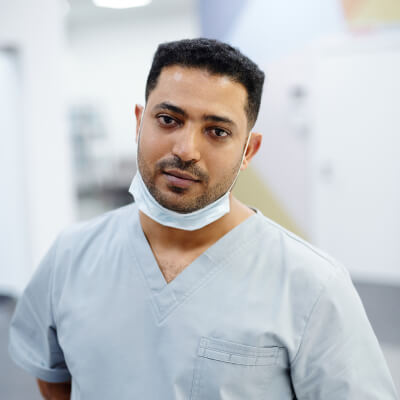




The effective management of diabetes by Dr. SamarSen Popuri at People’s Poly Clinic revolves around the maintenance of a stable level of blood glucose, the avoidance of diabetes-related complications, and the maintenance of a healthy state of well-being. Dr. SamarSen Popuri, being an expert diabetes doctor and a family medicine expert, offers personalized diabetes management plans to patients with diabetes to enable them to live a healthy life despite having diabetes.
Diabetes is a long-term health condition that needs health monitoring, appropriate medical attention, and lifestyle modifications. If diabetes is not well managed, it may cause health complications in the heart, kidneys, nervous system, and the eyes. However, with the early diagnosis and management of diabetes, the risk of health complications is minimized to the least.
Patients with diabetes in the people’s poly clinic in Manikonda, Hyderabad, are provided with appropriate medical care and management of their condition, enabling them to effectively manage their condition and live in a state of well-being.
Diabetes is a metabolic condition that is caused by either a fault in the body production of insulin or failure to utilize insulin in the body. Insulin is a hormone that is produced by the body, and this is a significant hormone that maintains the glucose concentration in the blood. Consequently, a high concentration of glucose in the blood will occur as a result of low insulin concentration in the body hence leading to high blood sugar concentration.
Nevertheless, in the case that diabetes is not managed well in the body of an individual, it can later on be transferred to the other organs in the body that are vital to the body such as the heart, kidney, nerves, eyes among many other body organs.
One will, therefore, need to know the causes of diabetes in the body of an individual, the types of diabetes in the body of an individual and how to identify diabetes in the body of an individual to help to avoid complications that may come as a result of having diabetes in the body of an individual.
In the initial stages, diabetes may result from gradual development, and the signs may not be immediately apparent. There are signs that may suggest increased blood sugar levels, which may require medical attention.
Common signs include:
Diagnosis of diabetes is an essential aspect in the management of the condition and the prevention of further health complications. At the People’s Poly Clinic, the doctor, Dr. SamarSen Popuri, conducts an overall medical examination of the individual in order to ascertain the condition and the best way of managing it.
The process of diagnosing diabetes entails an assessment of the medical history of the individual, the possible causes of diabetes, and the individual’s lifestyle, which may affect the levels of blood glucose. The individual may be recommended further tests in order to ascertain the levels of glucose in the blood and the existence of diabetes.
Diagnosis of the condition is crucial in the determination of the types of diabetes, such as type 1 diabetes and type 2 diabetes, thus enabling the doctor to develop an individual plan of action in managing the condition.
Depending on the type of diabetes, medication or insulin may be used to manage the condition and maintain the metabolic functions of the body.
A good and healthy lifestyle, as well as a good and balanced diet, is recommended to ensure the effectiveness of the management of the patient’s blood sugar levels.
Monitoring the blood sugar levels of the patient regularly is essential to ensure the effectiveness of the management plan.
Patients with type 1 diabetes need insulin therapy, whereas patients with type 2 diabetes need medications, lifestyle, and dietary management.
It is important to consult a doctor if you notice symptoms that may indicate rising blood sugar levels or possible diabetes. Early medical evaluation helps ensure timely diabetes diagnosis and effective diabetes treatment.
You should seek medical advice if you experience:
Early consultation with a diabetes doctor can help prevent complications and improve long-term blood sugar control through proper diabetes management.
If you are experiencing symptoms of diabetes or need medical guidance on managing your blood sugar levels, consulting a diabetes doctor can help identify the underlying condition and recommend the most suitable diabetes treatment plan. Early diabetes diagnosis plays an important role in preventing complications and maintaining proper blood sugar control.
Patients looking for reliable diabetes management in Manikonda can receive comprehensive medical evaluation and care at People’s Poly Clinic under the supervision of Dr. SamarSen Popuri.
Type 2 diabetes can be controlled without medication through lifestyle changes such as diet, exercise, and weight management. However, other patients may also require medication in controlling their blood sugar levels in their bodies.