


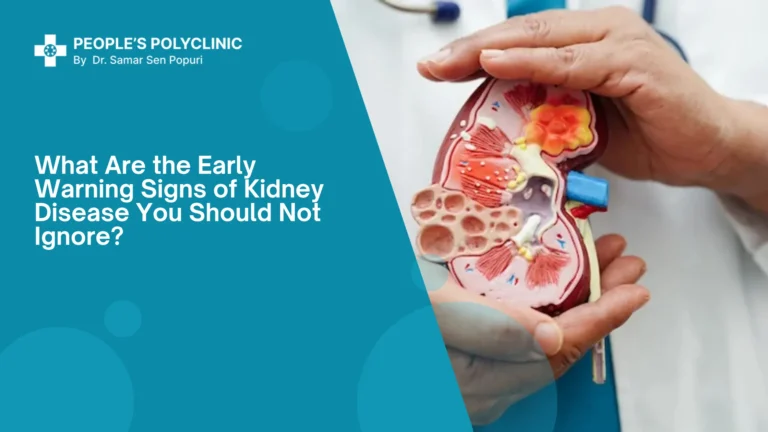
It normally does not become a priority for an average person to think about the role played by the kidney organ until he faces some complications with the organs. The kidney, which resembles beans in shape, works on the responsibility of filtering toxins from the body, fluid balance, and body stability every day. The kidney regulates blood pressure, makes red blood cells, and controls mineral levels in the body.
However, when the symptoms start to appear, one should be able to detect them through signs from the body. The only issue with this is that the signals can easily be overlooked since they may not immediately present themselves in the form of pain or distress. People take them to be just symptoms of stress or fatigue.
Many people live their lives not knowing that there could be some serious developments going on in their body. By the time pain starts showing its effects, it might become too late, and the situation could demand a complicated solution. Therefore, learning about the kidney disease symptoms is of great importance. With just a little knowledge and prompt actions, a lot can be done for the sake of better health and safety.
This blog will explore the signs of kidney disease, its causes, stages, and safety measures. It should give you an idea of what needs to be looked out for and how to prevent the worst.
Early Signs of Kidney Disease You Should Watch For
1. Changes in Urination Patterns
One of the early kidney disease symptoms that can manifest itself may occur when you visit the bathroom. It is quite normal for one to urinate more frequently, especially at night time. On the contrary, many people will realize that they are urinating much less compared to their past habits.
The urine will have a foamy, dark or bloody color at times. When there is foam in one’s urine, it shows that the body is leaking protein and that the body’s kidneys cannot filter out the excess. Some of the first symptoms include smell and color changes.
All these symptoms might not seem like such a big deal at the beginning stages, but they could indicate an issue with your kidneys.
2. Persistent Fatigue and Weakness
Feeling fatigue at the end of the day due to a day of physical labor is common among people. Feeling tired constantly without any known reason is different. When your kidney does not have the ability to clean your body of harmful toxins, waste products will start forming in your body, thus making you tired in general.
You will experience a feeling of being tired and lack energy to perform. You may also find yourself unable to complete tasks that did not require a lot of effort before.
Even little things like walking up stairs or even talking to someone will now feel exhausting to you.
3. Swelling in Hands, Feet, or Face
The kidneys have an important function, which involves maintaining the correct balance of fluid inside the body. When the kidneys do not work effectively, the fluid starts accumulating inside the body instead of leaving the body.
The consequence is that the body starts swelling at various parts like the ankles, feet, hands, and sometimes the face. Swelling can be temporary at first and especially when someone spends too much time sitting or standing.
However, with time, the swelling continues. This results in the wearing out of shoes or rings becoming tight.
4. Skin Problems and Itching
Dry and itchy skin is yet another early sign that is usually overlooked. When there are toxins in the blood, they can affect the state and well-being of your skin.
The problem with the condition is that people usually have trouble recognizing skin irritation, unusual dryness or itching which does not resolve with the use of traditional moisturizing products.
This is because our body tries to react to accumulated waste in the form of skin problems.
5. Loss of Appetite and Nausea
Problems related to digestion are easily ignored or considered to be trivial matters. The patient may become uninterested in consuming food, or feel a little nauseated but without any cause.
The presence of toxic substances influences the processes occurring in the digestive tract, leading to a decreased desire to eat. A patient may develop a metallic taste in the mouth.
As a result, the process of eating may become an unpleasant sensation, leading to weight loss and exhaustion. Even the favorite dishes do not bring any satisfaction anymore.
6. Muscle Cramps
The regular occurrence of cramps, mainly in the legs, might indicate problems related to the electrolyte levels of your body. As the kidneys are responsible for managing the levels of such minerals as sodium, potassium, and calcium, their imbalance may result in muscle problems.
Such cramps come without warning, mostly at night and often cause pain and stiffness. In addition, people may experience muscle twitching or tightness.
Cramps that happen frequently or become very painful might suggest that your mineral levels are imbalanced.
7. Difficulty Sleeping
The presence of toxic buildup in the body interferes with its capacity to feel comfortable and have good sleep. It is important to note that there are numerous instances where individuals experience insomnia without knowing the reason.
For instance, it might be hard for you to fall asleep or maintain sleep until morning. The lack of proper rest will only make you feel tired, hence reducing your productivity.
Moreover, difficulty sleeping can trigger other psychological disorders like irritability, lack of concentration, and emotional instability.
8. Shortness of Breath
In certain instances, fluid retention in the lungs and low oxygen levels in the blood can lead to breathing problems. Simple activities such as walking may seem more difficult than before.
There will be difficulty breathing even when walking for short periods or going up flights of stairs. This problem may appear similar to fatigue and poor fitness.
If these symptoms occur alongside other risk factors, one must see a doctor. Breathing problems must never be ignored since they may signal underlying health problems.
Kidney Disease Causes You Should Be Aware Of
Understanding kidney disease causes helps in prevention and early action. Several factors can increase the risk, and most of them develop gradually over time without obvious symptoms.
Diabetes
High levels of blood glucose can harm the kidney’s filtering system. This will make them less efficient in eliminating waste products from the body.
Diabetes can cause several organ dysfunctions if left unmanaged. The kidneys may be affected in this process.
High Blood Pressure
High blood pressure levels may damage the structure of the kidneys. Persistent high blood pressure weakens their ability to work effectively.
The management of blood pressure is essential in ensuring that the kidneys remain healthy.
Family History
Genetic factors may influence some illnesses. If your family members had issues with their kidneys in the past, you may run an elevated risk.
Knowledge of family medical history allows one to take preventative measures.
Dehydration
A lack of water consumption can be an additional burden to the kidney. Hydration is vital for detoxification.
Dehydration can influence the body’s balance and thus it is essential to form some good habits.
Overuse of Painkillers
Long-time consumption of some drugs may cause injury to the kidneys. There are many individuals who use pain medicines unaware of their consequences.
It is always advisable to seek medical advice prior to taking any medicine.
Infections and Autoimmune Conditions
Also, infections or problems with the immune system might result in kidney disease. Infections can cause damage to kidneys when left untreated.
Early identification and management of such risks might help avoid such health problems.
Kidney Disease Stages Explained
Kidney problems do not appear suddenly. They develop slowly over time and are divided into stages based on the level of function.
Stage 1
The kidneys function normally, although there might be some damage. Symptoms are generally not evident, making detection of this stage impossible without any diagnostic procedures.
Stage 2
The functioning of the organ is somewhat compromised. Symptoms of early-stage kidney disease appear, although they tend to be mild and overlooked.
Stage 3
The kidneys experience moderate damage. In this case, patients exhibit observable symptoms such as tiredness, swelling, and changes in urine flow.
Stage 4
There is significant damage to the kidneys. The body manifests obvious signs, and intervention by professionals becomes necessary.
Stage 5
It is the final stage of kidney disease. At this point, kidneys cannot perform their function properly anymore.
Why Early Detection Matters
Delaying the procedure will cause severe consequences, and they may influence different organs of the human body. The earlier the person finds out that they have kidney disease, the higher the probability of preventing its consequences and stopping its effects on the patient’s health altogether.
In case the condition is diagnosed timely, it will become possible for the patient to start living a healthier life and consume the appropriate medication, as well as regularly visit doctors in order to maintain their renal system in good condition. Otherwise, the consequences will be rather severe.
How to Protect Your Kidney Health
Staying Well Hydrated
Adequate water intake will help cleanse the body of toxins and ensure its balance. It also aids in keeping circulation and other bodily functions in good shape.
Balanced Eating
Healthy intake of fresh produce along with foods that do not contain salt will aid in general wellbeing. Steer clear from processed foods to avoid stressing out your kidneys.
Check Your Blood Pressure and Sugar Levels
Controlling these factors greatly decreases the chances of the problem occurring. It also aids in early detection.
Don’t Self-Medicate
Always turn to a doctor for prescription drugs, as they can be harmful to your kidneys.
Regular Exercise
Exercise promotes circulation and aids in maintaining good bodily functions. It can even be as simple as going for a walk.
Routine Health Exams
Preventive examinations can help uncover possible problems even before they become apparent.
Common Myths About Kidney Problems
It is widely perceived that any problem in the kidneys will lead to pain. But the truth is that most of the kidney disease symptoms experienced during its early stage do not bring pain but rather occur silently.
There is also a false notion that kidney diseases happen to people of advanced age only. The lifestyle changes have made young people more vulnerable to kidney diseases too.
There is another wrong perception regarding kidneys where people think that consuming excess water would protect them from any diseases of kidneys.
When Should You See a Doctor?
In the event of any abnormality, especially concerning urinary problems, swelling, or exhaustion, it would be best to visit your doctor immediately.
Do not take chances even if your symptoms are mild, especially if they continue for several days. You will know what to do after consulting a doctor.
It is vital to undergo routine medical examinations, especially for patients who have diabetes and hypertension. Taking prompt action is essential to avoid unwanted consequences.
How People’s Poly Clinic Can Help?
In People’s Poly Clinic, we know that early diagnosis saves lives. It is our objective to diagnose patients at the first possible time to enable them to dodge potential problems. We are aware that awareness and treatment should always go together in the context of safeguarding kidney wellbeing.
We offer tailor-made assistance through easy tests and open dialogue. Our mission is to ensure all our patients are well-informed and assured regarding their condition, and hence, the best way to handle it. This approach makes it easier for patients to deal with their renal concerns.
Should you have any symptoms or just require a regular medical examination, People’s Poly Clinic will be happy to help. Remember, even one small step today can have a great impact tomorrow.
Frequently Asked Questions (FAQs)
1. What are the first indications of kidney disease?
Some of the common symptoms are urinary changes, fatigue, and body swelling. They develop gradually and are usually ignored in day-to-day activities.
2. Is it possible to cure kidney disease?
The early stages can be treated and controlled. In advanced stages, the condition will need to be controlled by a doctor.
3. How often should I have my kidney tests?
If you are at risk, annual tests are advised. Regular screening enables the diagnosis of any problems before the symptoms occur.
4. Will drinking water help my kidneys?
Yes, water consumption keeps your organs in good condition.
5. Is kidney disease prevalent among young people?
Yes, young adults are also vulnerable to the disease due to their unhealthy lifestyles.